เพื่อแผ่นดินเกิด
- Details
- Written by Super User
- Category: เพื่อแผ่นดินเกิด
- Published: 24 June 2025
- Hits: 202
นี้ที่ทำในใจอยู่เมื่อวานนี้ ... ว่าจะควรอย่างไรดีครับ ?
ThisInMyReconsidering ... WhatToDo ???
(20250622_1 เพื่อแผ่นดินเกิด)
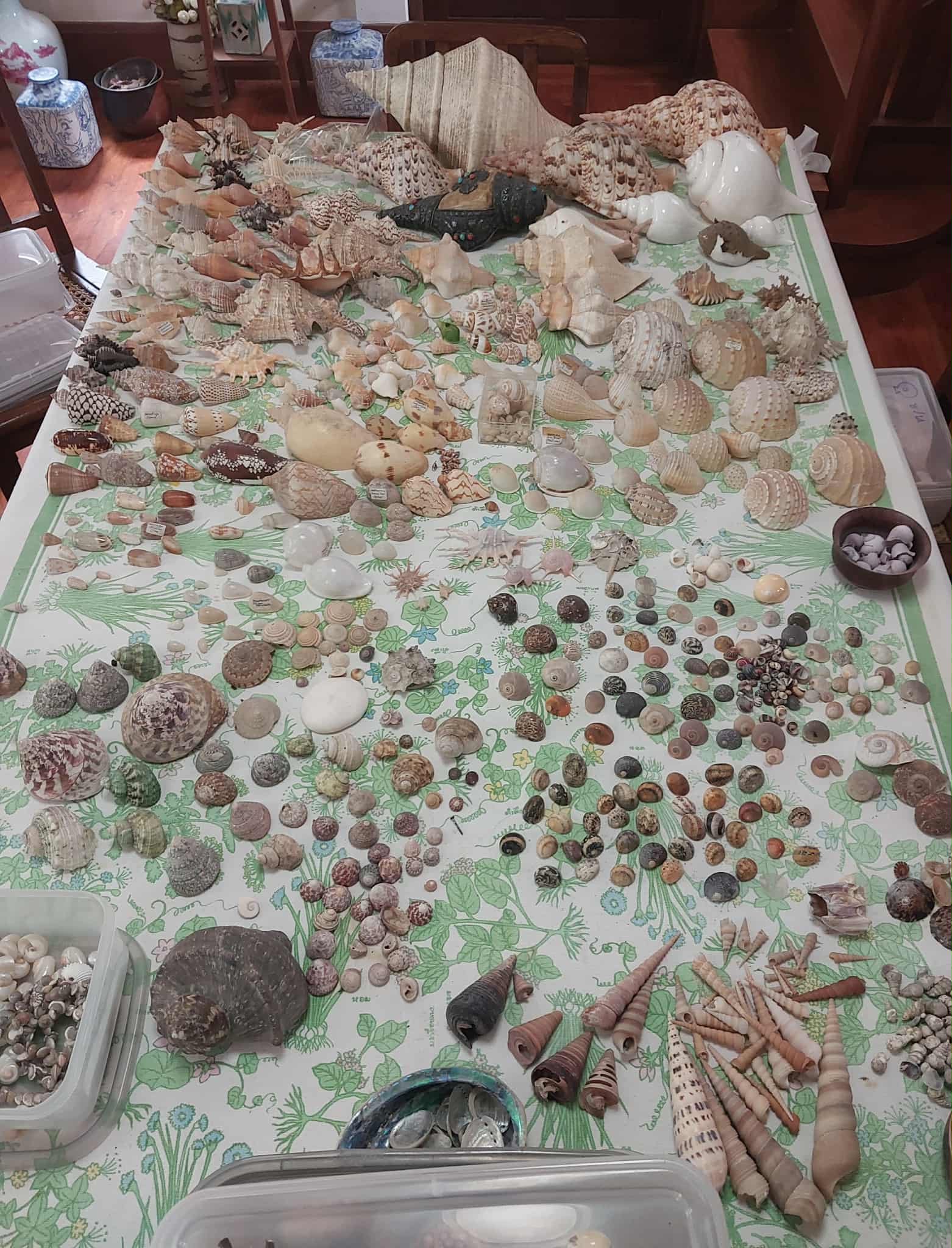
ใครที่เคยแวะมา #นาครบวรรัตน์ น่าจะจำกันได้ว่าในช่องฉิ่มแจ้แรก
มีตู้ใส่เปลือกหอยแสดงไว้ตู้หนึ่ง
ท่านผู้ว่านิพนธ์ บุญญภัทโร บอกว่าชอบมาเดินดูเรื่อย ๆ
เพราะดูแล้วได้อะไรหลายอย่าง ทั้งผ่อนคลาย สบายใจ ได้คิด ฯลฯ
พร้อมกับบอกว่า " ... คุณหมอทำอะไรหลายอย่าง ... "
ตามที่บอกไว้ว่าในฐานที่เป็นคนเมืองนคร คืบก็ทะเล ศอกก็ทะเล
ไปทะเลโดยเฉพาะที่ท่าสูงท่าศาลาที่ทุกวันนี้คือ #หาดบวร
ก็ตามพ่อตามแม่น้าพาและพี่น้องเก็บหอยกลับมาบ้านทุกคราวไป
พร้อมกับเกิดเป็นนานาปริศนาว่าธรรมชาติช่างรังสรรค์ออกมาอย่างนี้ได้อย่างไรกัน
กลายเป็นหลายแรงบันดาลใจทั้งความสนใจในธรรมชาติวิทยา
รวมทั้งการรวบรวมสะสมสิ่งของเพื่อการศึกษาค้นคว้าสารพัดสืบมา
โดยเฉพาะเมื่อไปเรียนรู้ตามพิพิธภัณฑ์ธรรมชาติวิทยาทั้งหลายในโลกนี้
เขามีห้องจัดแสดงเรื่องหอยไว้อย่างอัศจรรย์ใจในธรรมชาติ
ที่แต่ละชีวิตช่างสร้างสรรค์กันออกมาเพื่อการดำรงอยู่ได้
พร้อมกับเสียดายมากที่เมืองไทยมีน้อยมาก
ยากที่ยุวชนคนไทยจะได้สัมผัสเรียนรู้จนถึงตระหนักและรัก ฯลฯ
อีกประเด็นสำคัญที่ผมซึมซับคือพ่อของผมนั้นเป็นนักวิทยาศาสตร์
และช่างศึกษาค้นคว้า อ่านหนังสือมาก ทั้ง ReaderDigest Time และ Life
แถมเป็นนักเรียนเก่าญี่ปุ่น จำได้ว่าไปภูเก็ตกันทีไร จะต้องพาไปดูฟาร์มหอยมุก
เพื่อเรียนรู้อีกหลายแง่มุมจากท้องทะเล ขณะที่แม่กับน้าพาก็ช่างเก็บช่างรักษา
จนผมเติบโตมาเป็นอย่างที่เป็นในทุกวันนี้
เฉพาะเปลือกหอยที่ตามศึกษา เก็บและหาเรื่อยมา
ตั้งแต่เด็กเล็กจนน่าจะเมื่อหลายสิบปีก่อนที่หยุดลง
ด้วยกะว่าถ้าเป็นไปได้จะลองจัดมุมเพื่อธรรมชาติวิทยาน้อย ๆ ขึ้นบ้างหากจะพอทำได้
พอดีที่ #ตึกยาวบวรนคร ส่วนที่ต่อเป็นห้องกระจก #เขาป่านาเล และ #CafeDeLigor
ตอนนี้มีป่าฝนดงเฟิร์นดอกหวายไว้ส่วนหนึ่งแล้ว
นานานกก็เริ่มทยอยเอามาปล่อยใส่แล้ว
วันนี้จะมีลูกหินมาเติมที่ลานหาดทรายด้านนอก
มีผนังว่างตอนหนึ่ง กะว่าน่าจะเอาหอยเหล่านี้ไปวางแสดง
เป็นส่วนหนึ่งของร่องรอยจากทะเลเพื่อการรู้จักรักทะเลและธรรมชาติ
ทำนองพิพิธภัณฑ์ธรรมชาติวิทยาน้อย ๆ ที่เมืองไทยไม่ค่อยทำกัน
แต่ก็นั่นแหละครับ ทุกวันนี้ในแนวนิยมธรรมชาติ ท่านไม่ส่งเสริมสนับสนุนให้เก็บกันไว้
เพราะหากอยู่กับทะเล เขาก็จะสลายกลับคืนสู่ทะเล
เพื่อสรรพสัตว์ในทะเลได้ใช้ในการสานต่อวงจรชีวิตของเขาต่อ ๆ กันไป
วานนี้ที่ลองเอามีแผ่พิจารณาก่อนตกลงปลงใจ
มี ๓ โจทย์ใหญ่ ...
๑) เอาไปทิ้งคืนทะเลทั้งหมด
๒) เลือกเก็บเอาไว้เฉพาะบางส่วนที่เหมาะต่อการเป็นเครื่องมือการเรียนรู้เพื่อเข้าใจธรรมชาติ ชีวิต และ ทะเล นอกนั้นเอาไปคืนทะเล
๓) เลือกตามข้อ ๒) แล้วจัดแสดงที่ท้ายตึกยาวบวรนครเท่าที่จะพอทำได้ ตามเจตนาที่มีมาแต่เดิม
๔) เอาไปมอบให้ใครหน่วยไหนที่เขาน่าจะทำได้ดี
เช้านี้ลองทบทวนนี้ใรวิกิพีเดีย ...
เขาว่าในนานาสรรพชีวิตบนโลกเราเท่าที่ศึกษากันไว้
หอยเป็นสิ่งมีชีวิตที่มีมากสุดรองจากกลุ่มแมลงที่มีกว่าล้านสปีชี่ส์
มากกว่าสัตว์มีกระดูกสันหลังที่มีราวครึ่งแสน
โดยหอยบนโลกนี้ที่ประมาณว่าน่าจะมีประมาณ ๒๐๐,๐๐๐ สปีชี่ส์ กับอีก ๗๐,๐๐๐ ฟอสซิลที่สูญพันธุ์แล้วนั้น
ท่านว่าเฉพาะหอยที่ศึกษาประมาณการกันไว้คือราว ๆ ๑๐๐,๐๐๐ สปีชี่ส์
ส่วนใหญ่อยู่ในทะเล ประมาณ ๑๒,๐๐๐ อยู่ในน้ำจืด อีก ๓๕,๐๐๐ อยู่บนบก
แบ่งเป็น ๖ กลุ่มคลาสส์ กลุ่มหอยสองฝามีราว ๆ ร้อยละ ๑๔ ขณะที่อีกร้อยละ ๘๐ เป็นกลุ่ม Gastropods นอกนั้นก็เล็ก ๆ น้อย ๆ
โดยกลุ่มหอยน้ำจืดและหอยบนบกมีแนวโน้นการสูญพันธุ์สูง
ซึ่งผมก็ไม่แน่ใจนักว่าในทะเลจะไม่เสี่ยงด้วย
และที่สำคัญคือหอยในทะเลนั้นเป็นทั้งอาหารและห่วงโซ่อาหารที่สำคัญมากของสรรพสิ่งมีชีวิต รวมทั้งมนุษย์พวกเราที่น้อยนิดนี้
เมื่อวานนี้ลองเอามาเรียงแยกดูว่ามีหอยอะไรบ้าง ...
snails, slugs and other gastropods; clams and other bivalves; squids and other cephalopods; and other lesser-known but similarly distinctive subgroups ...
ใครคิดเห็นหรือมีข้อชี้แนะอะไรบอกด้วยครับผม
๒๒ มิถุนา ๖๘ ๐๘๔๐ น.
บ้านบวรรัตน์ ท่าวัง เมืองนคร
นี้ในวิกิพีเดียครับ ...
Estimates of accepted described living species of molluscs vary from 50,000 to a maximum of 120,000 species.[4] The total number of described species is difficult to estimate because of unresolved synonymy. In 1969, David Nicol estimated the probable total number of living mollusc species at 107,000 of which were about 12,000 fresh-water gastropods and 35,000 terrestrial. The Bivalvia would comprise about 14% of the total and the other five classes less than 2% of the living molluscs.[22] In 2009, Chapman estimated the number of described living mollusc species at 85,000.[4] Haszprunar in 2001 estimated about 93,000 named species,[23] which include 23% of all named marine organisms.[24] Molluscs are second only to arthropods in numbers of living animal species[21]—far behind the arthropods' 1,113,000 but well ahead of chordates' 52,000.[19]: Front endpaper About 200,000 living species in total are estimated,[4][25] and 70,000 fossil species,[18] although the total number of mollusc species ever to have existed, whether or not preserved, must be many times greater than the number alive today.[26]
Molluscs have more varied forms than any other animal phylum. They include snails, slugs and other gastropods; clams and other bivalves; squids and other cephalopods; and other lesser-known but similarly distinctive subgroups. The majority of species still live in the oceans, from the seashores to the abyssal zone, but some form a significant part of the freshwater fauna and the terrestrial ecosystems. Molluscs are extremely diverse in tropical and temperate regions, but can be found at all latitudes.[16] About 80% of all known mollusc species are gastropods.[21] Cephalopoda such as squid, cuttlefish, and octopuses are among the most neurologically advanced of all invertebrates.[27] The giant squid, which until recently had not been observed alive in its adult form,[28] is one of the largest invertebrates, surpassed in weight but not in length by the colossal squid.[29]
Freshwater and terrestrial molluscs appear exceptionally vulnerable to extinction. Estimates of the numbers of non-marine molluscs vary widely, partly because many regions have not been thoroughly surveyed. There is also a shortage of specialists who can identify all the animals in any one area to species. However, in 2004 the IUCN Red List of Threatened Species included nearly 2,000 endangered non-marine molluscs. For comparison, the great majority of mollusc species are marine, but only 41 of these appeared on the 2004 Red List. About 42% of recorded extinctions since the year 1500 are of molluscs, consisting almost entirely of non-marine species.[30]
https://www.facebook.com/photo/?fbid=1833391027556011&set=a.172924530269344